Knowledge
|
|
There are four familiar materials of cosmetic packaging, glass, plastic, metal, and wood. Usually, we could see many different shapes of cosmetic containers, bottles, jars and tubes in exclusive shops and supermarkets. Generally, most cosmetics containers frequently-used could be classified into four types, plastic containers, glass containers, plastic tubes, and airless containers.
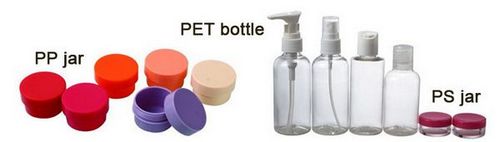
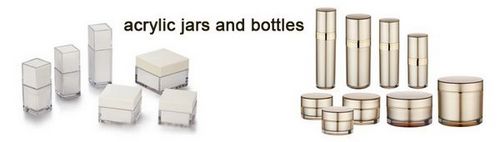
1. Plastic container: in different plastic materials, acrylic, PP, PE, SAN, ABS, PET etc. Our company mainly produces acrylic jars and acrylic bottles, AS bottles, PS jar.
Plastic container is mainly divided into hollow bottle by blowing molding and wide-mouth jar by injection molding. Bottles have thin single wall while jars could have single or double wall, either thick or thin. All our acrylic containers have double wall, PP inner wall and acrylic outer wall. Single wall jars are also available.
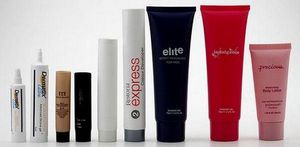
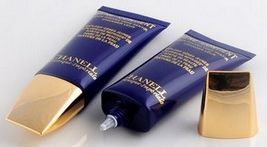
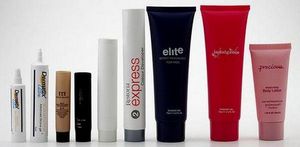
2. Glass container: glass jars and bottles are widely used in skin care, perfume, essential oil, nail polish. Over 200ml seldom available in skin care. The obvious disadvantages are fragile and heave, inconvenient for transportation. 3. Tube: in two kinds of material alu and plastic. Plastic tube mainly includes three kinds, one-layer, three-layer and five-layer. Three-layer tube is most common for low and medium-grade products while five-layer tube provides best protection for contents. There are many different types of cap for tubes, screw cap, snap top cap, acrylic cap, or even pump.
4. Airless containers: there are airless bottle and airless jar, mostly in plastic material PP, AS, acrylic. You could see many airless bottles on our web while only a few airless jars. All of them stop formulations from exposure to air by airless pump dispensers, which ensures the potency of the formulation remains longer. That is why airless containers are very popular in high end natural products, especially anti-aging serum or cream. Customers should cautiously choose your cosmetic packaging according to your own needs, weighing against advantages and disadvantages of different containers comprehensively. Our professional salesmen are always willing to help you for best choice. Hot stamping is defined as a dry printing process, which uses controlled heat, pressure, and precision timing to transfer a color pigment from foil to surfaces of varied shapes and materials. This process forms a permanent bond between the part and the foil, and creates a dry print.
The advantages of hot stamping include increased productivity, multiple colors in one step, and a variety of available materials and finishes. Screen-printing A stencil method of print making in which a design is imposed on a screen of silk or other fine mesh, with blank areas coated with an impermeable substance, and ink is forced through the mesh onto the printing surface. Also known as Silk Screening or Serigraphy.
|
Name:William
Company:KK Packaging Inc
Mobile:+1 (714) 787 8301
E-mail:info@kkpack.com
Office:265 S. Randolph Ave #170Brea, CA 92821, USA